










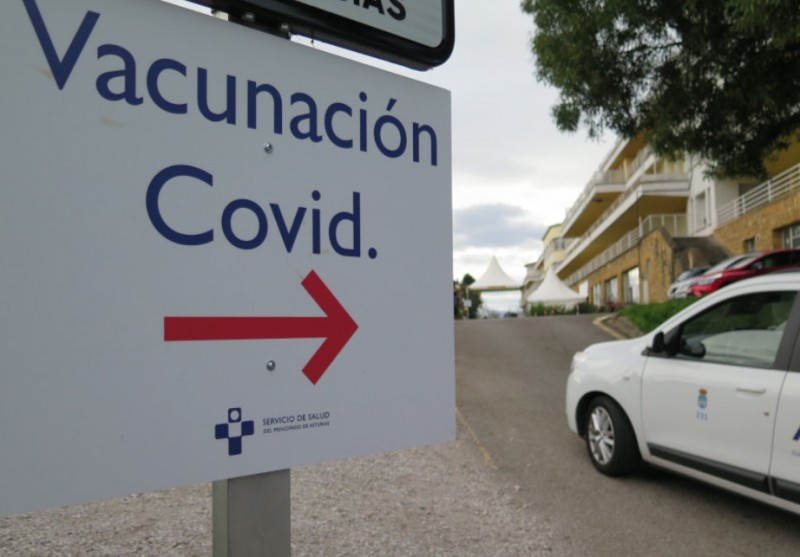
The coronavirus vaccination campaign continues to progress more rapidly in Spain than almost any other country in Europe (the exceptions include Malta, Denmark and Portugal, according to figures compiled by Our World in Data) but on August 18 the most optimistic forecast for 70 per cent of the population to have been immunized has arrived and that target has not been met.
Speaking in Athens on May 10, Prime Minister Pedro Sánchez stated that Spain was just 100 days away from herd immunity, presumably referring to the 70 per cent target which had been widely agreed upon as the level of vaccination at which this would be achieved. However, according to the latest government update published on August 17 the number of people in Spain to have received both vaccine doses (or the mono-dose Janssen vaccine) stands just below 30 million (29,968,303), representing 63.2 per cent of the population, and at the current rate of rollout the figure of 70 per cent will most likely not be reached until September.
In addition, the emergence of new strains of Covid, particularly the Delta variant, means that the inoculation of 70 per cent of the population is no longer considered to be sufficient to achieve herd immunity, rendering the notional target relatively meaningless. Some epidemiologists now believe that approximately 90 per cent of the population will need to be vaccinated – a figure which has already been reached in Malta!
Inevitably, political opponents of Sr Sánchez and certain sectors of the Spanish press are referring to this situation as a failure on the part of the Prime Minister, but the perceived shortfall can be explained by a variety of factors. Firstly, the surge in new case numbers during the fifth wave of contagion has led to more and more people being obliged to wait for their jabs until sufficient time has elapsed since the date of their infection, and this in turn has led to a drop in the rollout rate.
On top of this, it is reasonable to expect that the summer holidays have meant many people choosing to delay their jabs until they return home, and in addition, it has to be said that among young adults and teenagers, the groups now being invited to receive their first doses, the take-up rate could be rather lower as they believe themselves to be at less risk of serious illness from coronavirus infection.
Due to a combination of all of these factors, the average of doses being administered per day in Spain has dropped from around half a million in June and early July to only 300,000 over the last week.
Despite the slowdown, though, the vaccination campaign in Spain has so far been a successful one despite the initial setbacks caused by supply difficulties, and it is worth remembering that the take-up rate is now higher than in the UK, where the campaign got off to a flying start. Despite having approximately 50 per cent more inhabitants, the UK has averaged around 175,000 doses administered per day over the last week and the proportion of the population to have been fully vaccinated stands at 61.1 per cent.
Image: @AsturSalud