The EU's digital identity wallet is coming. Here's what it means and who it affects
ARCHIVED ARTICLE -
European citizens will be able to store their ID card, driving licence and other key documents on their phone by 2027, but questions remain about whether the scheme will extend to non-EU residents
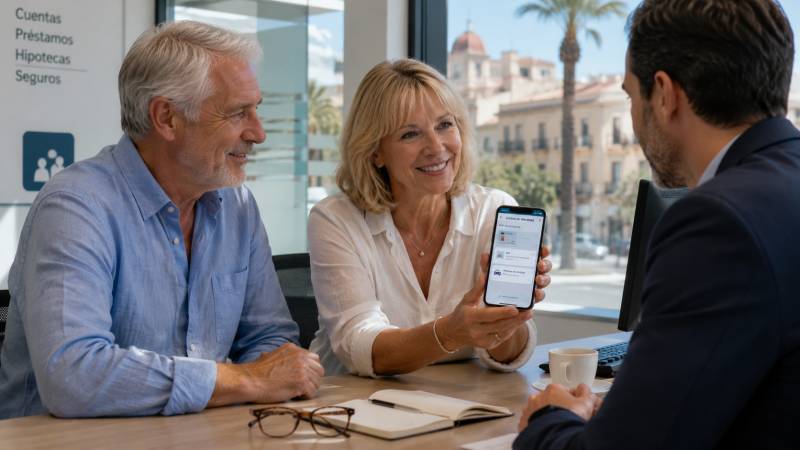
For EU citizens, the prospect of crossing into another member state, opening a bank account or registering with a doctor without needing a physical document is about to become reality. That's the idea behind the European Digital Identity Wallet, known as the EUDI Wallet, and it's closer than many people might think.
For British residents in Spain, whether the wallet will have any relevance remains unclear for now, as the current framework describes it specifically as a tool for European citizens.
By the end of 2026, EU citizens will be able to start adding documents such as their ID card, driving licence or university degree to the wallet. By 2027, the full system should be operational, allowing those digital identities to be recognised and used across all EU member states.
Gonzalo Álvarez Marañón, director of research at Funditec Research and a PhD in computer science, describes the interoperability between countries as one of the most significant advances the wallet will bring. "Thanks to the digital wallet, identification will be faster in banks, healthcare, public administration, and online processes that still require scanning and uploading ID cards," he said. For anyone who has ever had to produce multiple copies of the same document for different bureaucratic processes in Spain, that will sound very appealing.
One of the less visible but potentially more important benefits is that the wallet could significantly reduce the number of document copies sitting on external servers that citizens have little knowledge of or control over. Álvarez Marañón describes it as "the first serious mechanism for European citizens to decide what data they share, with whom, and when," adding that because less data is shared in each individual transaction, overall exposure is reduced.
That said, he's also honest about the trade-offs. The lack of proper audits on state servers remains a concern, and the technical ease of requesting digital verification could mean that more services start requiring it in situations where they previously didn't bother, raising genuine questions about increased control and surveillance.
It's also worth remembering that not everyone is equally comfortable with digital technology, and the degree of digitisation the wallet requires could be a real barrier for some users. The wallet will be voluntary, at least for now.
As for how quickly different countries will adapt, Álvarez Marañón is realistic. "The Nordic countries, Germany and Estonia, with their digital infrastructure and institutional culture, will lead the way," he said. "Spain, Italy and Eastern European countries will progress more slowly, limited by administrative capacity and public trust in digital institutions."
It's a genuinely significant development for anyone navigating life across EU borders. But as with most things digital, the devil will be in the detail of how it's actually implemented.
To be listed on the CAMPOSOL TODAY MAP please call +34 968 018 268.
To be listed on the CONDADO TODAY MAP please call +34 968 018 268.
Guidelines for submitting articles to Camposol Today
Hello, and thank you for choosing CamposolToday.com to publicise your organisation’s info or event.
Camposol Today is a website set up by Murcia Today specifically for residents of the urbanisation in Southwest Murcia, providing news and information on what’s happening in the local area, which is the largest English-speaking expat area in the Region of Murcia.
When submitting text to be included on Camposol Today, please abide by the following guidelines so we can upload your article as swiftly as possible:
Send an email to editor@camposoltoday.com or contact@murciatoday.com
Attach the information in a Word Document or Google Doc
Include all relevant points, including:
Who is the organisation running the event?
Where is it happening?
When?
How much does it cost?
Is it necessary to book beforehand, or can people just show up on the day?
…but try not to exceed 300 words
Also attach a photo to illustrate your article, no more than 100kb








 For EU citizens, the prospect of crossing into another member state, opening a bank account or registering with a doctor without needing a physical document is about to become reality. That's the idea behind the European Digital Identity Wallet, known as the EUDI Wallet, and it's closer than many people might think.