First case of West Nile virus this year confirmed in Alicante
ARCHIVED ARTICLE -
Costa Blanca health officials say most cases occur between July and September when mosquito activity peaks
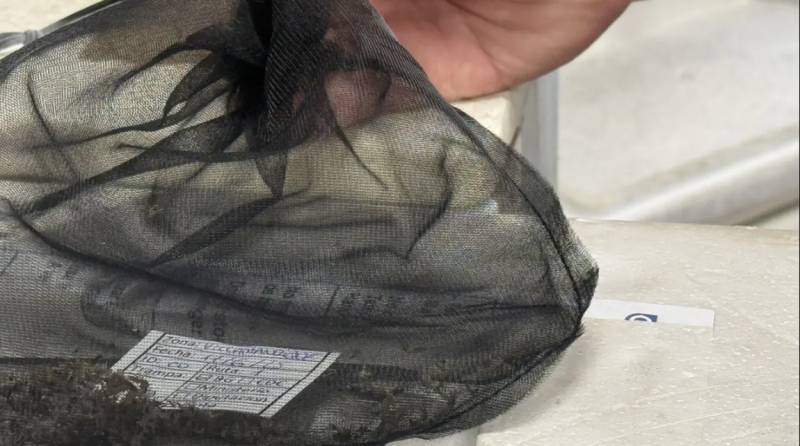
Mosquitoes carrying West Nile virus
Health officials in the Valencian Community have confirmed the first case of West Nile virus this year, after a 53-year-old man from the province of Alicante tested positive following a PCR test on June 1. He's since been discharged from hospital after several days of treatment and is now back home.
West Nile fever is caused by a virus from the Flaviviridae family and spreads through mosquito bites, according to the Regional Ministry of Health. Birds act as the main reservoir for the virus, although some mammals including horses and humans can become infected too. Most human cases in southern Spain tend to occur between July and September, when mosquitoes are at their most active.
Around 80% of people who become infected show no symptoms at all. Among those who do develop West Nile fever, most cases are mild, with symptoms such as headaches, general fatigue, fever, muscle pain and vomiting.
Fewer than 1% of cases progress to something more serious, such as encephalitis, meningoencephalitis or meningitis, and these severe complications tend to affect people over 50 or those with weakened immune systems more than anyone else.
Humans typically catch the virus through bites from female Culex mosquitoes, although it can also occasionally be spread through blood transfusions, organ transplants, from mother to child during pregnancy or through accidental exposure to infected fluids or tissue, for example in laboratory settings.
There's no specific treatment available for the virus itself, with care instead focused on managing symptoms and any complications that arise.
The Ministry of Health said it has stepped up surveillance and control of mosquito, sandfly and tick borne diseases since introducing its Entomological Surveillance Network across the Valencian Community, and continues to support local councils with their own vector control efforts.
Whenever a case like this is confirmed, regional protocols are triggered automatically, with an entomological inspection carried out around the area where the case was detected. A report is then sent to the relevant town hall with instructions on how to monitor and manage the situation going forward.
Health officials are reminding residents to take sensible precautions, including covering up with clothing, using insect repellent, sleeping under mosquito nets or in rooms with screened windows and doors, and using air conditioning where possible.
To be listed on the CAMPOSOL TODAY MAP please call +34 968 018 268.
To be listed on the CONDADO TODAY MAP please call +34 968 018 268.
Guidelines for submitting articles to Camposol Today
Hello, and thank you for choosing CamposolToday.com to publicise your organisation’s info or event.
Camposol Today is a website set up by Murcia Today specifically for residents of the urbanisation in Southwest Murcia, providing news and information on what’s happening in the local area, which is the largest English-speaking expat area in the Region of Murcia.
When submitting text to be included on Camposol Today, please abide by the following guidelines so we can upload your article as swiftly as possible:
Send an email to editor@camposoltoday.com or contact@murciatoday.com
Attach the information in a Word Document or Google Doc
Include all relevant points, including:
Who is the organisation running the event?
Where is it happening?
When?
How much does it cost?
Is it necessary to book beforehand, or can people just show up on the day?
…but try not to exceed 300 words
Also attach a photo to illustrate your article, no more than 100kb